
“I have had the pleasure of working with Alasdair for more than ten years, successfully delivering furniture procurement and installation for multiple office buildings in London and Dublin.”
A flexible office is a workspace occupied under a short-term licence, typically for 1–24 months, rather than a traditional multi-year lease. The licence fee is usually all-inclusive, covering furniture, service charge, business rates, utilities, cleaning and other operational costs.
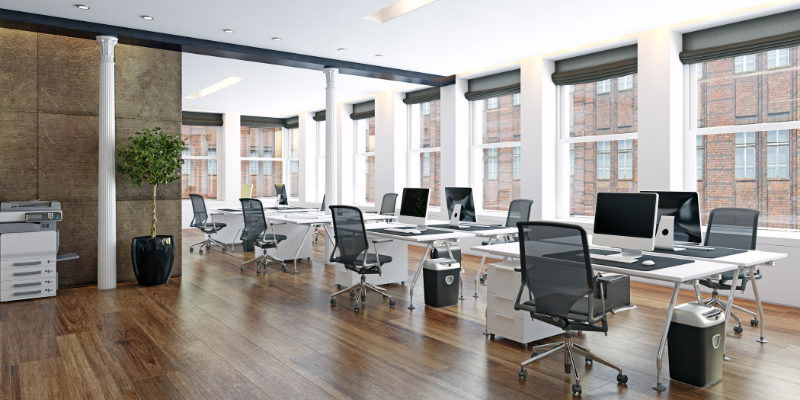
While flexible offices can have a higher headline cost per square foot, they are often more cost-effective overall. When you factor in fit-out costs, business rates, service charges and long lease commitments, flex space frequently offers better value. Occupiers also tend to require less space, as shared amenities such as meeting rooms, breakout areas and kitchens are included as part of the offering.

A licence agreement grants permission to occupy a space without exclusive legal possession, unlike a lease. Licences are typically shorter, more flexible and far simpler documents, meaning they can be agreed quickly and usually without significant legal costs.

Flexible office space is ideal for start-ups, SMEs, growing businesses, project teams and corporates adopting hybrid working models. Companies seeking agility, speed, scalability and cost certainty benefit most from flex offices.
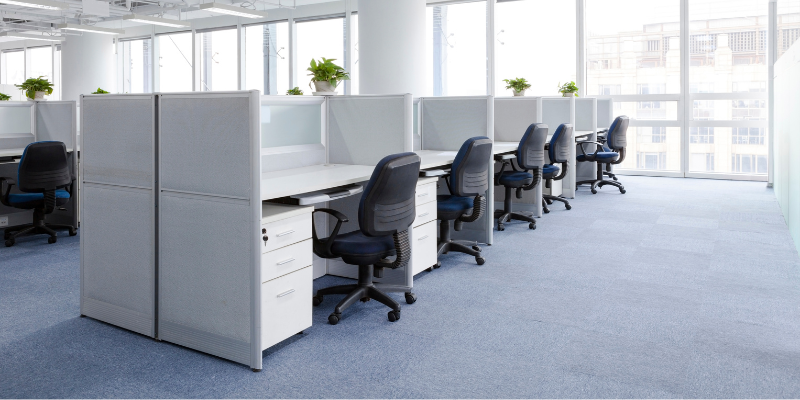
Absolutely. Larger organisations often use flexible offices for project teams, swing space, regional hubs or as part of a broader hybrid working strategy.
Flexible offices operate much like hotels. Delivering a seamless, all-inclusive service requires specialist operational expertise, systems and on-site management that many landlords do not have in-house. Experienced operators are best placed to maximise performance and occupier satisfaction.
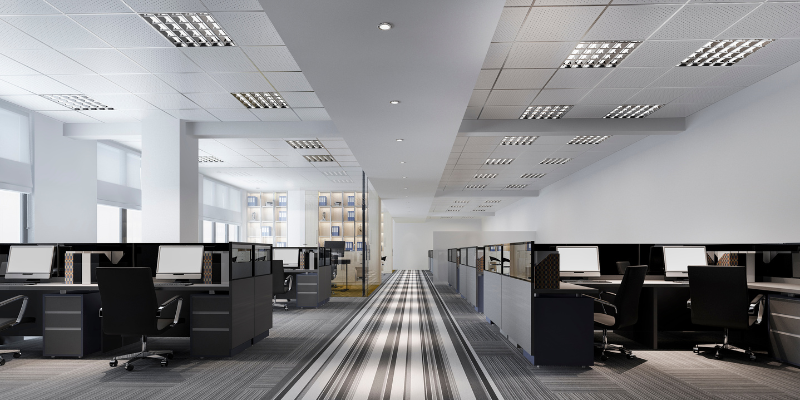
Yes. The continued growth of the flex sector shows that many businesses now view flexible office space as a long-term, strategic solution rather than a temporary measure.
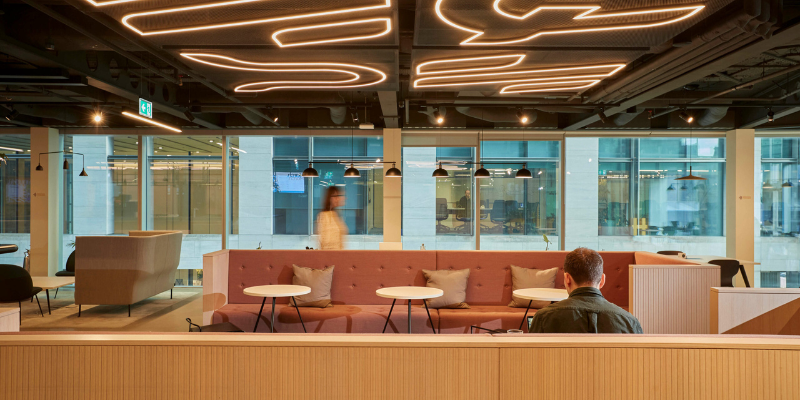
Flexible offices can typically be occupied for anything from one month to 24 months, and sometimes longer. Adaptability is the key attraction, and many businesses now use flex offices on an ongoing basis.

Like all property sectors, flexible offices can be affected by economic downturns. However, they have historically performed relatively well, as downturns often lead to increased demand from start-ups, project teams and businesses seeking shorter commitments and greater flexibility.
As an independent advisor, I represent your interests, help you save money, reduce risk and navigate the complexities of the flexible office market to ensure you secure the right space on the best possible terms.
Testimonials
“I have known Alasdair for many years and he has always been honest, professional and trustworthy.”
“I recently worked with Alasdair on a mixed-use development acquisition, and I couldn’t be more impressed with his experience. His deep knowledge of the commercial office market was evident from the start; he provided options we hadn’t even considered and provided valuable insights on negotiation points. Throughout the process, Alasdair was incredibly responsive, professional, and proactive.”